
 Free Delivery & Return
 365-Day Returns
 10 Million Happy Customers
 500,000 Products in Stock


Garden Trellises


Garden Trellises
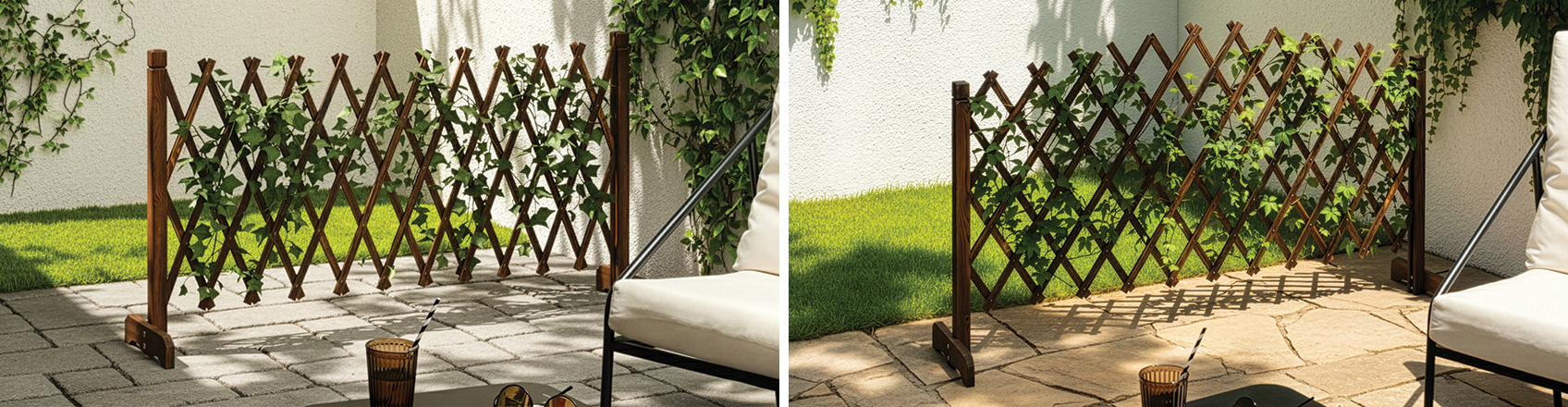
Redefine your garden with our selection of beautifully crafted garden trellises. With the right choice, you can elevate your outdoor space, provide much-needed support for your plants, and create a stunning visual display.
What is a garden trellis used for and what are the benefits?
A garden trellis is a structure used to support climbing plants, vines, and flowers, helping them grow vertically. It can also be used to add visual interest to garden spaces by creating green walls, dividing areas, or adding height to flower beds.
Garden trellises offer multiple advantages, from saving space by encouraging vertical plant growth, reducing ground clutter, and protecting plants from pests or diseases common in overcrowded areas. They also help improve air circulation around plants, which promotes healthier growth. Climbing plants such as clematis, morning glories, ivy, wisteria, and roses thrive on trellises, while vegetables like beans, peas, cucumbers, and tomatoes also grow well with vertical support. Choosing plants with a natural climbing or trailing habit ensures they will flourish and allows you to make the most of your trellis.
How tall should my garden trellis be?
The height of the trellis depends on the type of plants grown. For smaller plants, a trellis around 120-150 cm is usually sufficient. For taller climbing plants such as cucumbers or climbing roses, a trellis of 180-240 cm or higher works best. Always consider the available garden space and the natural growth habit of the plants when choosing the appropriate height.
How to maintain a garden trellis?
Proper care extends the lifespan of wooden garden trellises and keeps them looking good season after season. We can offer some tips on the correct maintenance:
Clean and preserve it regularly
Remove dirt, algae, and plant residue with a soft brush and mild soapy water. Avoid pressure washers, as they can damage the wood fibres. Apply a wood preservative, outdoor oil, or weatherproof stain once a year, ideally before the growing season, to protect against moisture, UV exposure, and rot. Inspect the trellis regularly for cracks, splinters, or loose joints. Sand rough areas and tighten or replace fixings when needed.
Prevent ground moisture
Ensure the trellis does not sit directly in constantly wet soil. Use metal spikes or raise the base slightly to reduce moisture absorption and prevent rot. If possible, move freestanding trellises to a sheltered area during winter. For fixed trellises, clean them and apply a protective treatment before frost sets in.
Secure the trellis and support plants correctly
It’s recommended to secure your garden trellis to the ground, especially if it is tall or made of lightweight materials. Using stakes or anchors helps keep the structure stable in windy conditions and prevents it from tipping over under the weight of growing plants. Plants should be tied gently with soft garden ties, avoiding tight bindings that may trap moisture or place strain on the trellis as the plants develop.
With regular cleaning and seasonal protection, a wooden garden trellis can remain sturdy, functional, and attractive for many years.